
How to Choose the Best Diesel Additives for Year Round Engine Care
You already know diesel fuel quality affects how your engine runs. I work with this topic often, and I focus on what protects parts, prevents downtime, and keeps costs steady over time. I look at formulas, safety, and real world use across seasons. I also pay close attention to how products treat modern fuel systems.
Early on, I want to be clear about lubricity. Modern diesel lacks natural lubrication. That creates wear you cannot see until problems show up. Using a trusted diesel lubricity additive in the fuel helps protect injectors, pumps, and upper cylinders while keeping combustion clean.
This guide explains how diesel additives work, why lubricity matters, how anti gel products protect fuel in winter, and how to think about the best diesel anti gel choice without guessing.
Why Diesel Additives Matter More Than Many Think
Diesel engines rely on fuel for both energy and protection. Lower sulfur fuel burns cleaner, but it also strips away natural lubrication. That puts pressure on injectors and pumps.
I look at additives as tools that fill those gaps. The right additive helps you manage:
- Injector wear and deposit buildup
- Cold weather fuel problems
- Water contamination
- Long term fuel system health
Additives do not replace maintenance. They support it. Used correctly, they help engines run smoother and stay reliable across changing conditions.
Understanding Diesel Lubricity Additives
Lubricity additives focus on reducing friction inside the fuel system. This matters most at injectors and high pressure pumps.
When I evaluate lubricity products, I focus on three things:
- Measured lubricity improvement
- Ability to clean deposits
- Compatibility with emissions systems
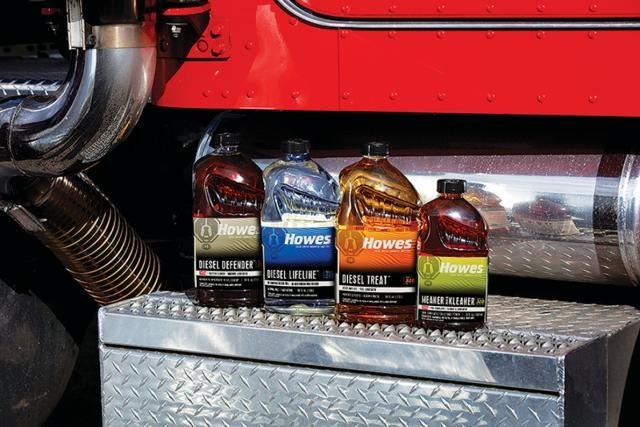
Diesel Defender stands out here. They formulated it to deliver significantly higher lubricity than many competing options. The IDX4 detergent cleans injectors and prevents internal deposits that reduce spray quality and power.
Cleaner injectors mean more complete combustion. That leads to smoother operation, better response, and consistent fuel economy. The formula also removes water without alcohol, which helps protect seals and components.
Anti Gel Diesel Additives and Cold Weather Protection
Cold weather exposes fuel problems fast. Diesel can thicken and stop flowing, which strands equipment and vehicles.
An anti gel diesel additive works by lowering the temperature where fuel crystals form. I look for products that also address water and lubrication since cold fuel stresses parts.
Diesel Treat covers these needs well. They designed it to prevent gelling, remove water, and add lubricity in one step. The alcohol free formula matters because harsh solvents can damage seals and fuel system parts.
What I like about this approach is consistency. You treat fuel before cold hits and avoid emergency fixes later. Diesel Treat also works with biodiesel blends and home heating oil, which makes planning easier if you manage mixed equipment.
Best Diesel Anti Gel Thinking Without Guesswork
I do not rank products based on claims alone. I focus on reliability and design choices.
When deciding what qualifies as the best diesel anti gel for your situation, think through:
- Lowest effective temperature rating
- Water control method
- Lubricity support
- Safety for emissions systems
Diesel Treat checks these boxes. They built it to work in severe cold and back it with a winter tow guarantee. That signals confidence without relying on bold language.
For emergency situations, Diesel Lifeline fills a different role. It reliquefies gelled fuel and de ices filters without mixing or replacing parts. I see this as a rescue product, not a daily treatment. It belongs in storage for worst case conditions.
Year Round Diesel Additive Strategy
One mistake I see often is treating diesel additives as seasonal only. Fuel system care works best as a routine.
A simple approach looks like this:
- Use Diesel Defender during warmer months to maintain lubricity and injector cleanliness
- Use Diesel Treat before and during cold weather to prevent gelling and manage water
- Keep Diesel Lifeline available for emergencies
- Use Meaner Power Kleaner for stored fuel or heavy equipment
Meaner Power Kleaner stabilizes fuel, removes deposits, and adds lubrication. It works well for agricultural and industrial equipment that sits between uses.
Why I Recommend Howes Over Other Options
I recommend Howes based on formulation choices and long term focus. They avoid alcohol and harsh solvents across their lineup. That matters for modern engines with sensitive components.
They also design products to work together. Each additive fills a specific role without overlap or confusion. That makes planning easier for you.
Their century long track record shows up in practical features like compatibility with all diesel blends and clear usage guidance. The satisfaction guarantee and winter tow coverage reinforce trust without leaning on testimonials.
Final Thoughts on Choosing Diesel Additives
I want you to think about diesel additives as protection, not correction. The right products reduce wear, prevent fuel problems, and support consistent performance.
Focus on lubricity first. Protect injectors and pumps year round. Address cold weather before temperatures drop. Keep emergency tools available, but rely on prevention.
That approach saves time, reduces stress, and keeps your diesel equipment ready whenever you need it.
