
How to Verify the Quality of a Used Import Engine Before You Buy
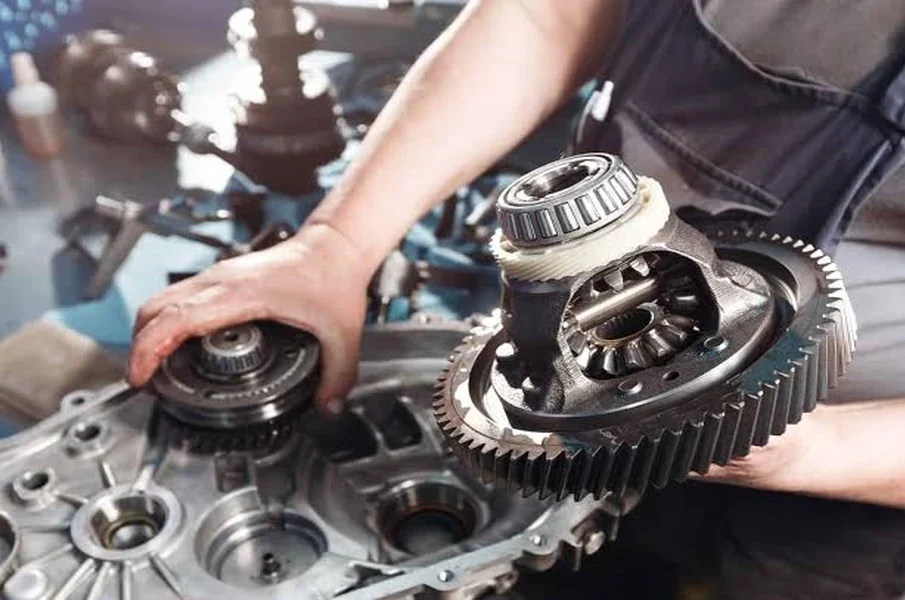
Buying a used engine online can feel like a leap of faith. You are trusting a photo, a description, and a supplier’s word about a heavy piece of machinery you cannot inspect in person. Yet thousands of drivers do exactly this every year and end up with reliable, long-lasting motors. The difference between a smart purchase and an expensive mistake almost always comes down to verification. Knowing what questions to ask and what documentation to demand turns a nerve-wracking gamble into a calculated decision.
Start With the Engine Code
Every engine has a code, and it is the single most important detail in the entire transaction. Codes like 2JZ-GE, K24A, or VQ35DE tell you the displacement, the family, and often the specific tuning of the unit. Before anything else, confirm that the code on the engine you are considering matches what your vehicle needs, or that any differences are ones you understand and can work around.
This matters because engines that look nearly identical from the outside can differ significantly inside. Two motors from the same family might have different compression ratios, valvetrain designs, or accessory mounting points. A mismatch that seems minor on paper can turn into hours of extra labor or a swap that never quite runs right. A trustworthy listing states the code plainly and lists the vehicles and year ranges it fits.
Ask About Mileage and How It Was Verified
Low mileage is the main reason imported engines are desirable, but a number on a listing means nothing without context. Ask the seller how the mileage was determined. Reputable importers source engines from vehicles retired early under Japan’s inspection system, and they can usually explain the general provenance of their stock even when a precise odometer figure is not available.
Be wary of sellers who promise suspiciously exact figures with no way to back them up, and equally wary of those who dodge the question entirely. The honest answer often sits in the middle: these are low-mileage units sourced from a market known for early vehicle retirement, tested to confirm mechanical health. That combination of reasonable provenance and actual testing is worth more than a precise but unverifiable odometer claim.
Demand Compression and Leak-Down Results
Here is where serious suppliers separate themselves from the rest. A compression test measures how well each cylinder holds pressure during the compression stroke, and it is one of the fastest ways to gauge the internal health of an engine. Consistent readings across all cylinders indicate healthy rings, valves, and head gaskets. A leak-down test goes further, pinpointing where any pressure loss is escaping.
When a supplier performs these tests before an engine ships, they are putting their reputation behind the product. Ask whether testing is standard, and ask to see or hear the results. A quality importer who checks their inventory before it leaves the warehouse is a good sign; a seller who has never tested the unit is asking you to accept all the risk. This single question filters out a large share of questionable listings. Established sellers like jdmenginedirect.com build testing into their standard process rather than treating it as an upgrade.
Understand the Fitment Details
An engine that is mechanically perfect is still useless if it does not fit your car without headaches. Imported engines sometimes differ from their US-market equivalents in ways that affect installation. Intake manifolds, sensors, wiring harnesses, and emissions components may need to be swapped over from your original engine or sourced separately.
Before buying, get clear answers on what comes with the unit and what you will need to supply. Does it include the intake and exhaust manifolds? Are the sensors compatible with your existing harness? Will it pass your state’s emissions requirements as delivered, or will you need to transfer components? A supplier who knows their product can walk you through these details, and their willingness to do so is itself a mark of quality.
Scrutinize the Warranty
A warranty is your safety net, and its terms reveal how confident the seller really is. Read the fine print before you buy, not after something goes wrong. How long does coverage last? What does it actually cover, and what voids it? Does the warranty require professional installation, and does it cover the cost of labor if the engine fails, or only the replacement unit?
The strongest warranties are specific and reasonable. Be cautious of coverage so short it barely spans shipping and installation, and equally cautious of vague promises with no written terms. A clear, documented warranty backed by a US-based business gives you real recourse. It also tells you the supplier expects their engines to perform, because a company that regularly shipped bad units could not afford to stand behind them.
Evaluate the Supplier, Not Just the Engine
Ultimately you are buying from a business, and the business matters as much as the part. Look for a physical presence, responsive communication, and a track record you can research. Read reviews with a critical eye, looking for patterns rather than isolated complaints or glowing one-liners. A supplier who answers questions thoroughly before the sale is far more likely to help you after it.
Payment protection is worth considering too. Purchasing through channels that offer buyer protection adds another layer of security to a significant transaction. If a seller pushes for payment methods that leave you with no recourse, treat that as a warning sign.
Communication style tells you a great deal before any money changes hands. A supplier who responds promptly, answers technical questions in plain language, and volunteers information you did not think to ask about is demonstrating the kind of transparency that carries through to after-sale support. Compare that to a seller who gives one-word answers, avoids specifics, or grows impatient when you probe the details. The way a business handles your questions during the sale is usually a reliable preview of how it will handle any problems after it. Take note of turnaround times, the clarity of shipping arrangements, and whether the seller documents the condition of the unit with clear photographs from multiple angles.
Put It All Together
Verifying a used import engine is not complicated, but it does require discipline. Confirm the engine code matches your needs. Ask how mileage was determined and accept honest provenance over unverifiable precision. Insist on compression and leak-down testing. Nail down the fitment details so installation holds no surprises. Read the warranty word for word. And judge the supplier as carefully as the product.
Drivers who follow this checklist consistently report good outcomes, while those who skip steps to save a few dollars are the ones who end up with regrets. An imported engine can be one of the best values in the automotive world, delivering low-mileage reliability at a price that makes keeping your car an easy decision. The value is real, but it is only unlocked when you buy with your eyes open. Spend a little extra time on verification up front, and you dramatically improve your odds of dropping in a motor that runs strong for years to come.
